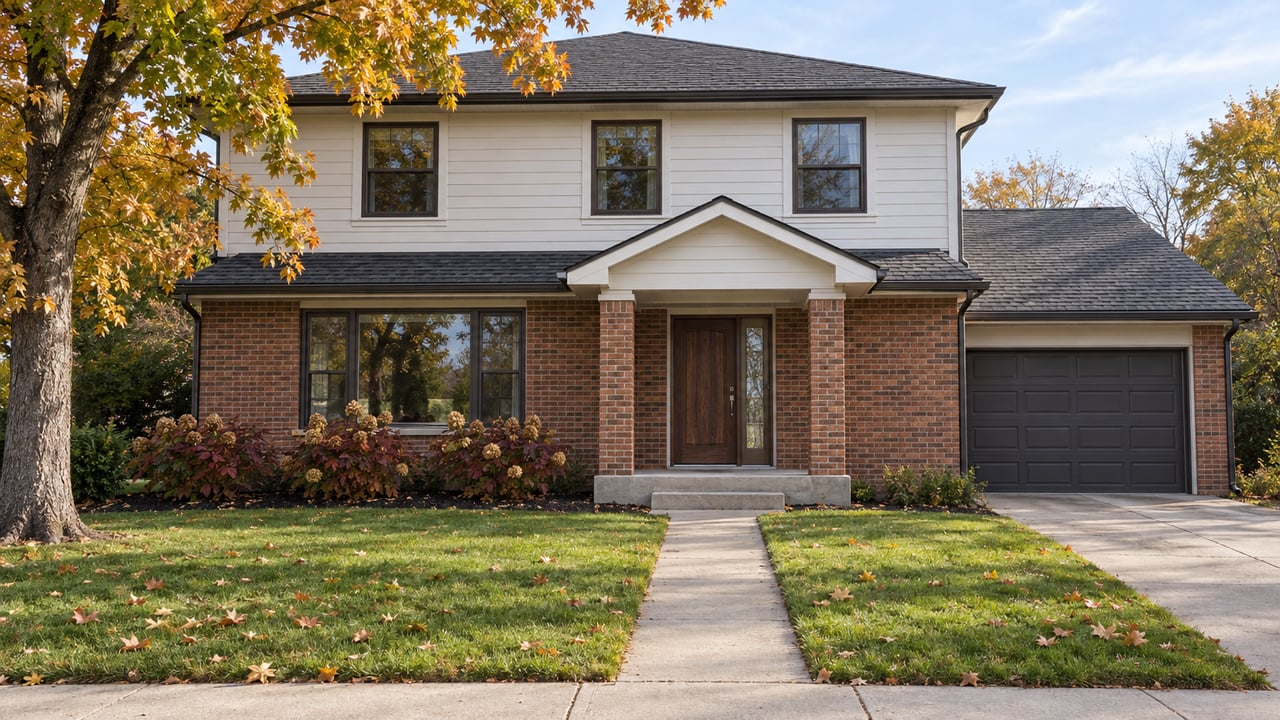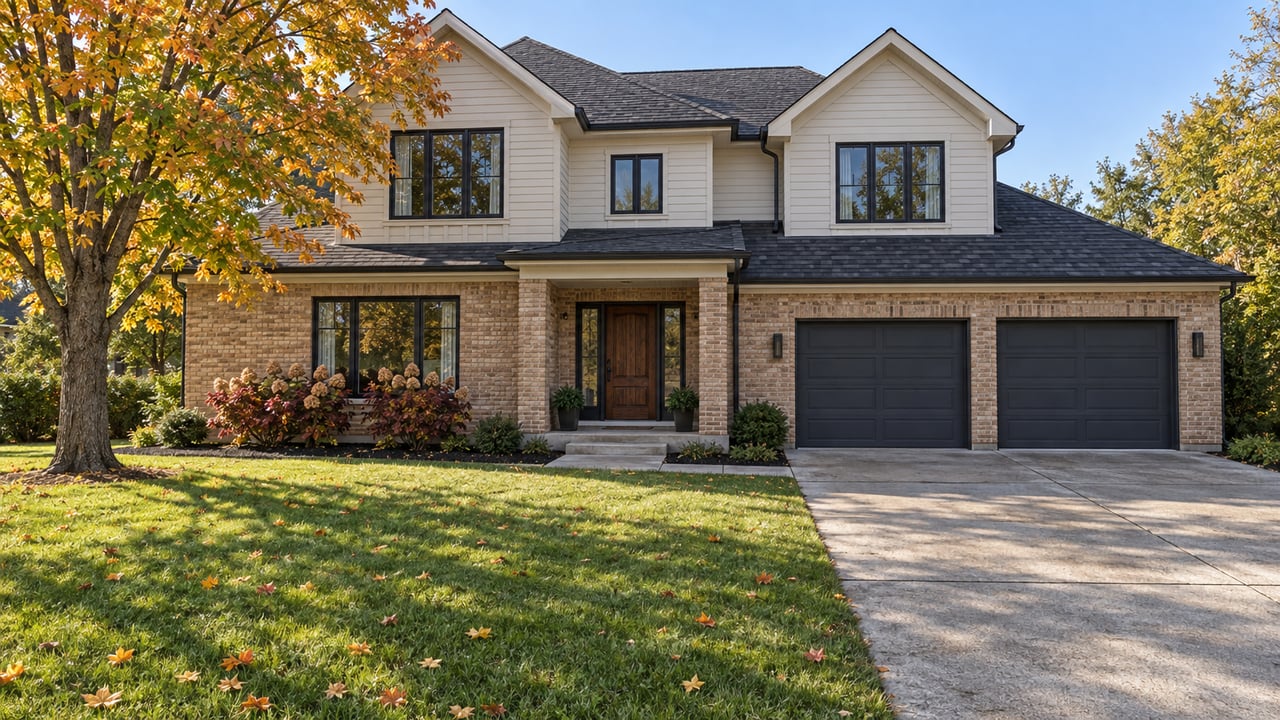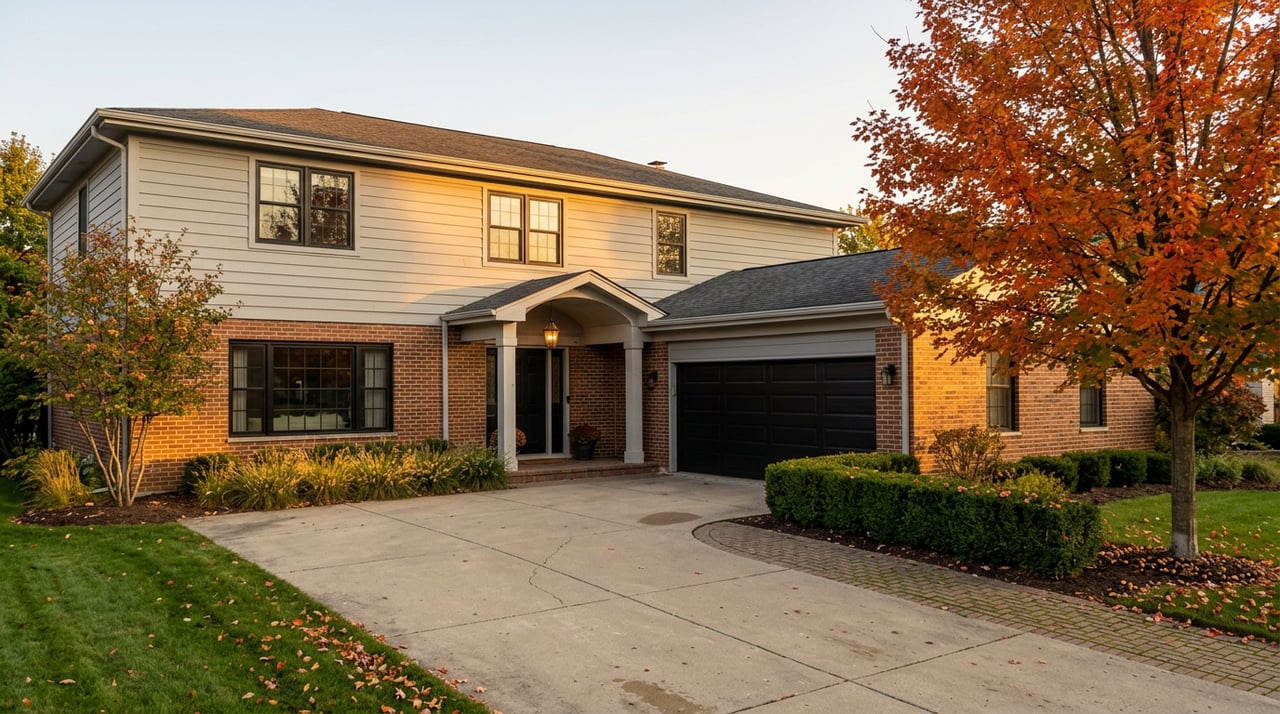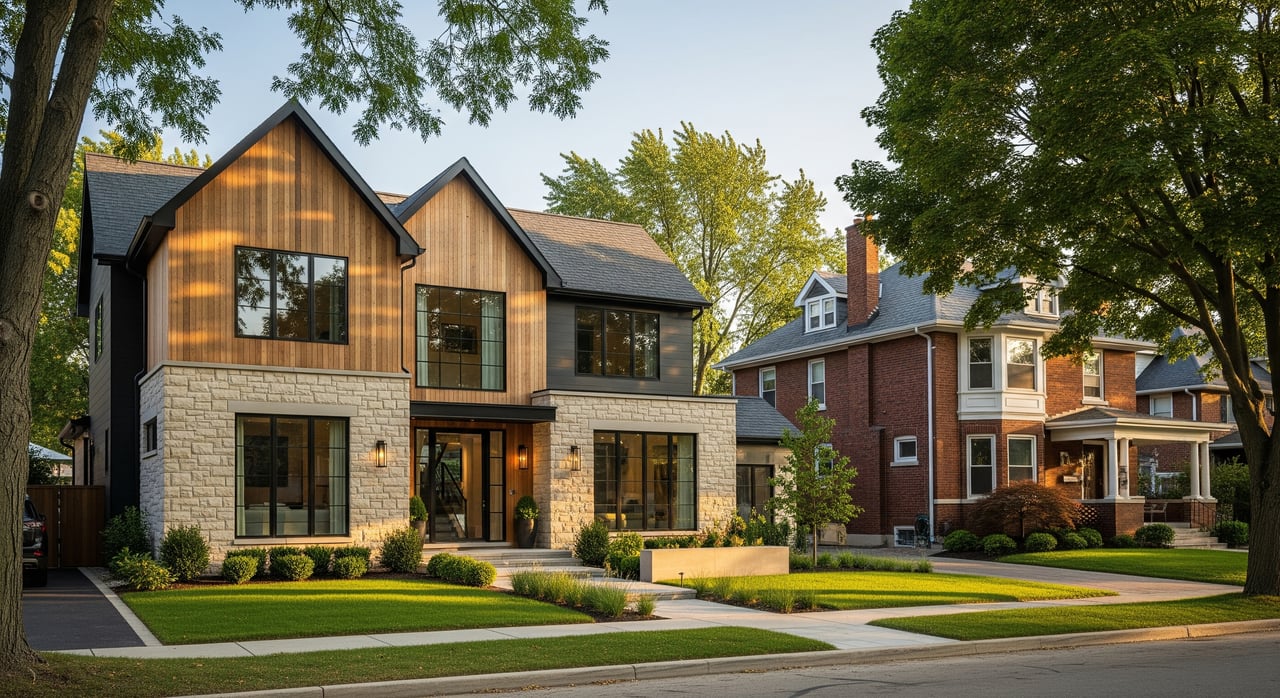
Thinking about a brand-new home with modern features or a charming resale in an established neighborhood? In Aurora and Elgin, both paths can work well, but the right choice depends on your budget, timeline, and long-term plans. You want clarity on total costs, how fast you can move, and what to expect from inspections, warranties, and resale value. This guide breaks down the trade-offs with local context so you can choose with confidence. Let’s dive in.
New construction: what to expect
New builds in Aurora, Elgin, and nearby Kane County suburbs range from quick-move-in spec homes to larger tract neighborhoods and occasional custom or infill options. You will see them most often along growing corridors near major roads where newly annexed subdivisions are developing. Builders coordinate with local planning and building departments, so permit timing can affect how soon homes are delivered.
Transit and commuting options shape demand across the area. Aurora has Metra commuter rail service, and Elgin is also served by commuter rail. Major routes like I-88, I-90 nearby, Route 59, and Route 31 influence where new subdivisions appear and how buyers judge day-to-day convenience.
Resale homes: what to expect
Resale opportunities span historic blocks near downtown Elgin, older neighborhoods in central Aurora, and mature subdivisions across Kane County. These areas often offer established services, mature landscaping, and deeper comparable sales history. Floor plans may be traditional, and some homes could need updates, but you can often move on a faster schedule and with more predictable comps.
Cost comparison: price, upgrades, taxes, and HOA
New construction pricing usually starts with a base model price, then adds a lot premium, structural options, finishes, and potentially items like a finished basement, landscaping, or driveway details. Builders may offer incentives such as closing-cost credits, rate buydowns, or upgrade packages. It is important to evaluate whether an incentive offsets your costs or is balanced by a higher base price or fees.
With resale homes, you typically negotiate one overall price and may seek seller concessions. Immediate costs can appear after closing if the home needs updates like roof, HVAC, windows, or insulation. Property taxes on resales reflect current assessed values and can change if you renovate.
For new builds, initial assessments and tax bills can differ when you first take ownership. Some subdivisions may fall within special districts or financing tools such as TIFs. Utilities, stormwater, and infrastructure requirements can lead to impact fees or special assessments. Confirm the specifics for each address and subdivision.
HOA dues are common in many new neighborhoods and in some established communities. Ask what the HOA covers, when it activates, and how fees may change after the subdivision is complete.
Timeline and logistics
Quick-move-in new homes can sometimes close in weeks. Ground-up builds often take months from contract to completion, and weather, supply chain, or permits can add delays. If you need to sell first or bridge the gap between homes, plan for interim housing, a rent-back option, or other timing strategies.
Resale purchases usually close in 30 to 60 days once financing and inspections are complete. If you are selling one home and buying another, it can be more straightforward to coordinate back-to-back closings with resales.
Financing and appraisals
Most buyers use conventional or FHA/VA loans for both new and resale homes. Custom builds can require a different structure such as a construction-to-permanent loan with draws, inspections, and builder milestones.
Appraisals for new construction sometimes come in below the contract price when upgrades and options do not match nearby comps. Some builders may offer concessions or structure agreements that address appraisal gaps. Clarify how the appraiser will account for your selected options and finishes. For resales, underwriting and appraisal typically rely on recent comparable sales in the neighborhood.
Inspections and warranties
New homes benefit from modern codes and energy standards, plus builder and manufacturer warranties. Many builders follow a structure where workmanship items are covered the first year, some systems longer, and structural components potentially up to 10 years. Ask for the full warranty in writing and confirm the service process after closing. Independent inspections still matter. Consider at least a pre-drywall inspection and a final inspection.
Resale homes include legally required disclosures of known defects. You should still complete a professional inspection and expect to negotiate repairs or credits. Unknown issues are possible, so be thorough about history, maintenance, and typical neighborhood concerns.
Energy, maintenance, and insurance
New construction often delivers better insulation, windows, HVAC, and appliances that meet current code. That usually means lower utility costs and less immediate maintenance. Insurance can sometimes be lower at first because systems and materials are new, though rates vary.
Resale homes may require near-term updates to improve energy efficiency and reduce long-term costs. Budget for upgrades and ongoing maintenance as part of your total cost of ownership.
Resale value and neighborhood maturity
A brand-new home offers modern layouts that many buyers want. In early phases of a subdivision, however, appreciation can be slower until amenities and remaining homes are complete. Landscaping and curb appeal also take time to mature, and comparable sales may be limited during the build-out period.
Established neighborhoods provide deeper sales histories and more predictable buyer demand. Mature trees, amenities, and finished streetscapes can boost appeal. The trade-off is that older floor plans may need updates to align with today’s preferences.
Local factors to research in Kane County
- School district boundaries. Aurora and Elgin include multiple districts. Boundaries can influence buyer demand and resale pricing, so verify the assigned district for any specific address directly with the district.
- Property taxes and assessments. Tax rates vary by township and district. Initial assessments for new builds may lag and then adjust in later cycles. Ask how the assessor handles new construction and what exemptions may apply.
- Permits, TIFs, and impact fees. Builders coordinate with city and county agencies for approvals. Some subdivisions may be within TIF districts or carry special assessments for infrastructure and utilities. Understand how these factors affect the timeline and your monthly budget.
- Commute and transit. Access to Metra commuter rail and major roadways like I-88, I-90 nearby, Route 59, and Route 31 can shape long-term demand. Consider your daily patterns and how they align with neighborhood options.
Quick decision guide
Choose new construction if you:
- Want modern layouts, energy efficiency, and personalization of finishes.
- Have flexibility on timing and can manage possible delays.
- Can budget for upgrades, lot premiums, and potential appraisal gaps.
- Prefer to start with lower near-term maintenance.
Choose a resale if you:
- Need to move on a faster, more predictable schedule.
- Want an established neighborhood with a track record of comparable sales.
- Plan to invest in updates at your own pace.
- Prefer to negotiate one purchase price with potential seller concessions.
Questions to ask
Ask the builder
- What exactly is included in the base price, and what counts as an upgrade?
- What are the lot premiums and what do they cover?
- What is the estimated build timeline and how are delays handled?
- What are the warranty terms and the post-closing service process?
- Are there HOA fees, CCRs, or special assessments, and when do they start?
Ask the listing agent for a resale
- What do recent comparable sales show for price and days on market?
- What known defects or disclosures should I review carefully?
- What are typical inspection issues for this neighborhood?
- Are there easements, special assessments, or unusual utility costs?
Financial checklist
- Total cost for each option: base price plus upgrades, lot premium, closing costs, taxes, HOA, and immediate maintenance or renovations.
- Loan type: conventional, FHA/VA, or construction-to-perm for custom builds.
- Appraisal plan: how will upgrades be valued, and what is your strategy if the appraisal is lower than the contract price?
If you are selling to buy new
- Ask about a home sale contingency, bridge financing, or rent-back options.
- Price and prepare your current home to maximize proceeds and reduce timing risk.
- Coordinate close dates and moving logistics early, especially if a build could be delayed.
How a local advisor helps
Buying new construction or a resale in Aurora or Elgin is easier when you have a partner who knows the subdivisions, builder practices, and neighborhood-level resale patterns. A skilled local agent can help you compare total costs, verify taxes and assessments, review builder contracts and warranties, and plan the timing if you are selling to buy.
If you are weighing both paths, reach out to schedule a planning call. You will get practical guidance tailored to your timing, budget, and must-haves. Connect with Angela Walker to map your best route and move forward with confidence.
FAQs
How much more does new construction cost in Aurora and Elgin?
- New construction often carries a higher base price plus upgrades and lot premiums, while resales may cost less upfront but can require near-term updates. Compare total ownership costs for both.
How long does it take to move into a new build in Kane County?
- Quick-move-in homes may close in weeks, while ground-up builds commonly take several months. Weather, materials, and permits can add time, so keep a backup housing plan.
Do appraisals for new builds come in below the sales price?
- They can, especially when upgrades outpace nearby comparable sales. Ask how upgrades will be valued and prepare a strategy for potential appraisal gaps.
What warranties come with new homes in this area?
- Many builders offer a one-year workmanship warranty with longer coverage for systems or structural items. Get the exact terms and service process in writing.
How do property taxes differ in new subdivisions versus established areas?
- Initial assessments for new homes may be set differently and can adjust later. Tax rates vary by township and district, so confirm estimates with local authorities for each address.
Will school district assignment affect future resale value?
- District boundaries influence buyer demand. Verify the assigned school district for any property at the address level to understand potential resale impacts.