Are you wondering how to price your classic Westchester bungalow so it sells in days, not weeks? You want a fast, confident sale without leaving money on the table. In this guide, you’ll learn exactly how to read the market, price strategically, and prepare your home so buyers act quickly. Let’s dive in.
Read the Westchester market first
Pricing starts with clear local data. Before you set a number, review inventory, days on market, list-to-sale price ratios, and recent sale prices for bungalow-style homes in Westchester and nearby blocks.
- Use your local MLS and recent association market reports for the most current numbers, and note the report date.
- Check price per square foot by style and condition to see where your home fits.
- Factor in seasonality. Chicago-area activity usually peaks in spring and early summer, and it often slows in late fall and winter.
- Track the interest-rate environment since mortgage rates affect the size of your buyer pool.
Public dashboards can provide quick snapshots, but they can lag MLS data. Always verify final sale prices through the MLS or public records when possible.
What to check before you price
- Months of inventory in Westchester and nearby micro-areas.
- Median sale price trends over the last 3 to 12 months.
- Average days on market and list-to-sale price ratio.
- Price bands where buyers are actively searching.
Know your bungalow’s value drivers
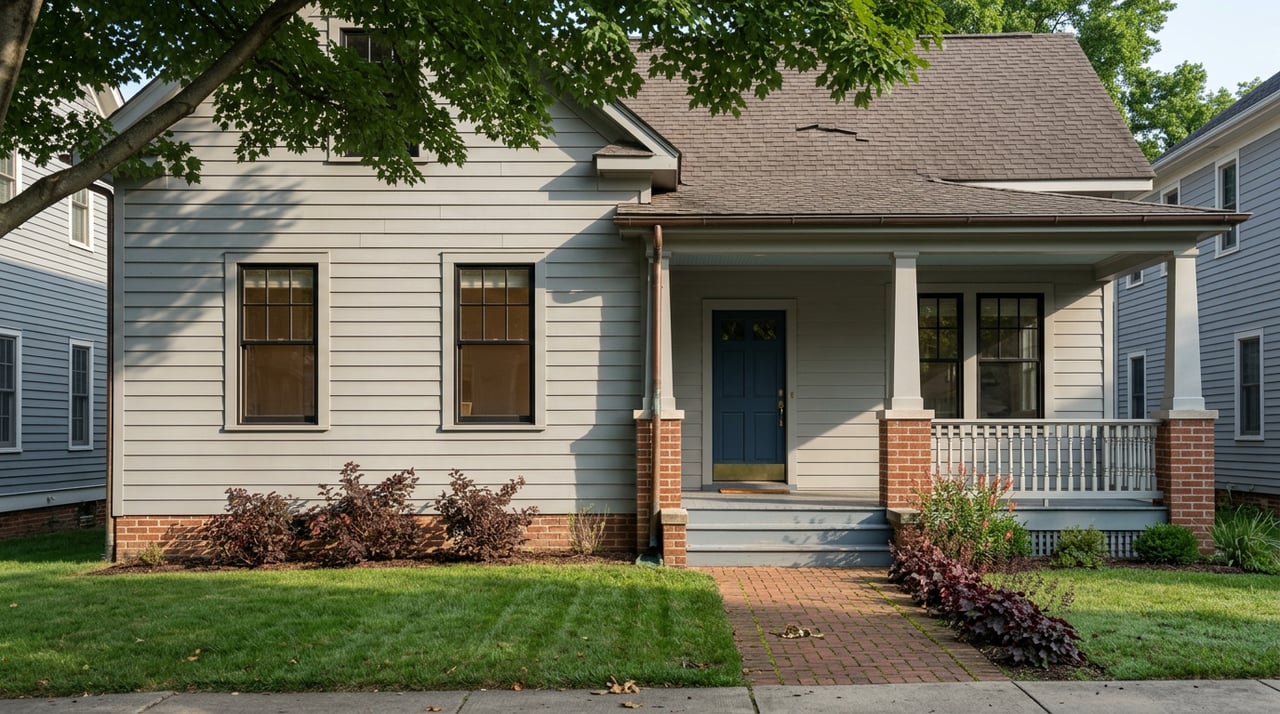
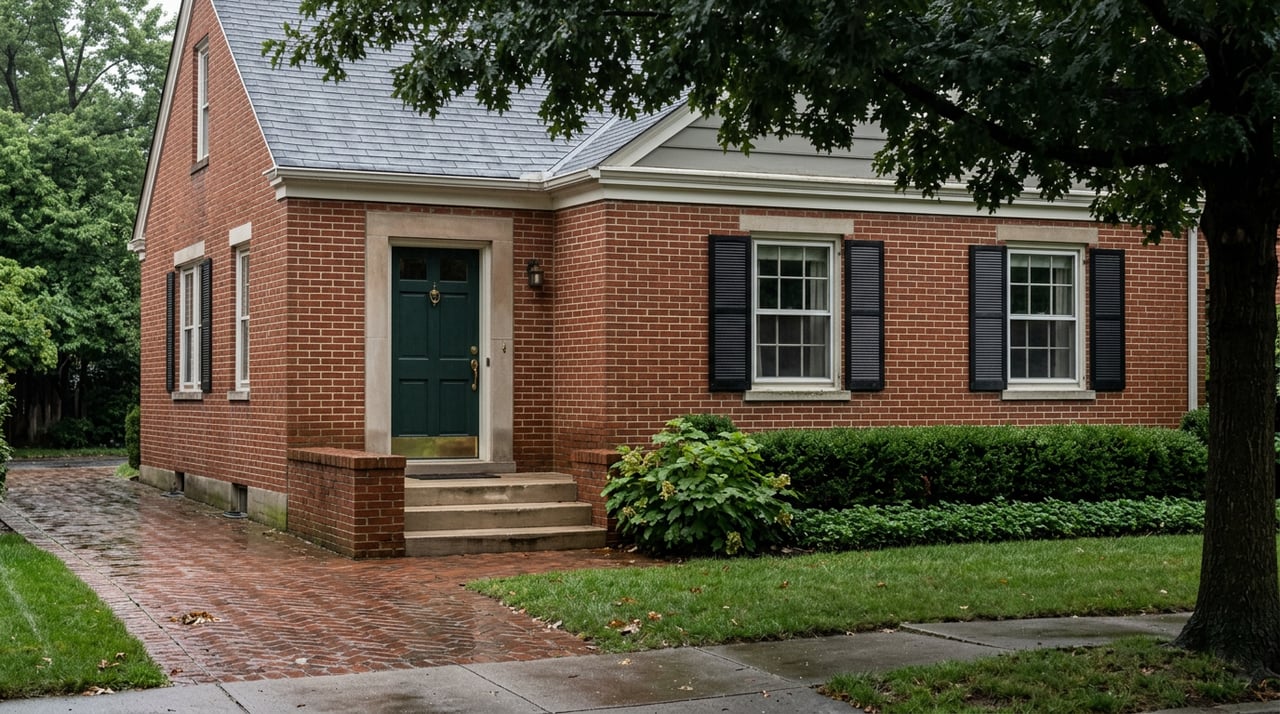
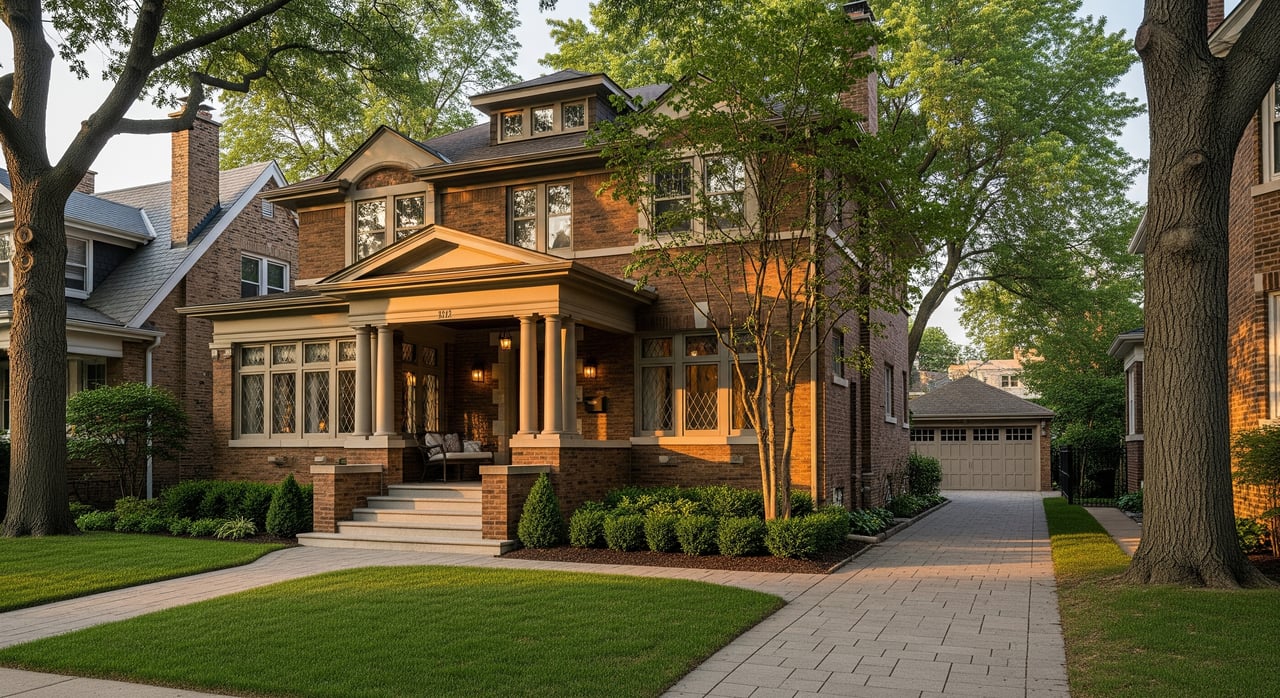
Bungalows in this area often have single-level living with basements and detached garages. Buyers prioritize features that reduce surprise costs and increase usable space.
- Structure and systems: roof age, HVAC, electrical, and plumbing can move value up or down.
- Kitchens and baths: modernized spaces command stronger prices.
- Basement: finished or high-ceiling basements add functional square footage.
- Lot and parking: curb appeal, corner or interior lot, and garage or driveway access matter.
- Energy efficiency: window age and insulation can influence buyer confidence.
You will see interest from first-time buyers, move-down buyers who want fewer stairs, and investors when numbers make sense. The more “move-in ready” your bungalow feels, the faster qualified buyers will act.
Build a CMA that holds up
A strong comparative market analysis keeps you from guessing.
- Pull sold comps within 0.5 to 1 mile, same style, from the last 60 to 90 days. Expand the time window only if inventory is thin.
- Include active and contingent listings to see your current competition and pricing bands.
- Exclude outliers that are fully gut-renovated or on atypical lots unless your home aligns.
- Adjust for finished basements, bath count, garage, lot size, and system ages. Record your rationale for each adjustment.
- Calculate current price per square foot for similar bungalows and compare.
Pick a pricing strategy for speed
Your goal is to generate early, qualified offers without sacrificing net proceeds. Choose the approach that fits today’s demand.
- Market-value pricing: List at the supported value when you want balance between time and price.
- Slightly under-market pricing: List a bit under the nearest price threshold to spark multiple offers. Best when demand exceeds supply and you can handle offer volume.
- Price band positioning: Place the list price just inside a common search band so more buyers see it.
- Market-value with an offer deadline: Create urgency in balanced markets by setting a clear review date.
Avoid overpricing. It increases days on market, reduces showings, and often leads to larger price cuts later.
Pricing psychology tips
- Round vs odd pricing can matter based on how buyers set search filters. Test $299,900 vs $300,000 logic for your local portals and bands.
- Watch nearby actives for reductions. If similar homes are cutting, you may need to enter the market more competitively.
Prep your bungalow to support the price
Strategic prep helps you sell faster and closer to list.
- Deep clean and declutter so rooms look larger and well cared for.
- Apply neutral paint and fix scuffs and minor damage.
- Boost curb appeal with basic landscaping, power washing, and fresh house numbers.
- Improve lighting with brighter bulbs and replace dated fixtures if inexpensive.
- Tackle minor repairs like leaky faucets, sticky doors, and loose railings.
- Stage key spaces. Living, dining, and kitchen should highlight flow and functionality.
If your budget allows, consider a kitchen refresh with painted cabinets and new hardware, or a bathroom refresh with regrouting and updated mirrors and lights. Clean and brighten the basement to show usable space. Avoid over-improving for the submarket.
Pre-listing inspection
A pre-list inspection helps you identify deal-killing items early. You can fix them or price accordingly, which reduces buyer uncertainty and can speed closing.
Launch strong and monitor early signals
Your first two weeks are critical. Pair smart pricing with a sharp presentation.
- Use professional photos and include a floor plan to increase online engagement.
- Highlight updates and unique selling points like a finished basement, newer roof, or upgraded mechanicals.
- Consider sharing pre-inspection results or offering a reasonable credit for known items.
Monitor the first 7 to 14 days.
- Showings per week and showing-to-offer ratio. Low showings suggest a pricing or marketing issue.
- Online views and saves. Flat engagement can mean your photos, description, or price need attention.
- Days on market. Longer exposure often reduces final sale price.
- Offers received and quality. Evaluate financing strength, contingencies, and inspection timelines.
If the market response is soft, make one measured reduction, often in the 5 to 7 percent range, rather than several small cuts that can signal desperation.
Handle offers to close faster
You can shorten timelines by tightening up your offer process.
- Require a pre-approval letter and consider proof of funds for down payment and earnest money.
- Favor clean offers with fewer contingencies and realistic inspection periods.
- Consider an “as is” sale when priced appropriately, with clear disclosures.
- Use an offer review date to concentrate interest and encourage early bids.
Legal and cost essentials in Illinois
Selling a bungalow in Westchester means following state and federal rules.
- Illinois Residential Real Property Disclosure Act requires written disclosure of known material defects for most 1 to 6 unit residential properties. Confirm current forms and exemptions with your agent or attorney.
- Lead-based paint rules apply to homes built before 1978. Provide the required federal pamphlet and disclosures.
- Confirm permits for past renovations. Unpermitted work can impact buyer confidence and appraisals.
- Review Cook County tax proration practices and expected closing costs with your agent and title company.
- Plan for commissions per your listing agreement, title and closing fees, any negotiated credits or repairs, and your mortgage payoff.
Timelines from list to contract vary with market conditions. Use recent local averages to set expectations.
Quick seller checklist
- Pull a bungalow-specific CMA using 60 to 90 day comps within 0.5 to 1 mile.
- Identify your price band and choose a strategy for speed.
- Complete cleaning, paint touch-ups, lighting updates, and minor repairs.
- Stage the main living areas and capture professional photos and a floor plan.
- Decide on pre-inspection and any credits.
- Launch with a compelling description and track the first 14 days closely.
- Be ready to adjust once based on showings and engagement.
When to adjust your price
- You have low showings compared to similar listings after the first week.
- You see strong online views but no in-person showings.
- You have many showings but no offers, which can signal a condition or price gap.
- Competing listings at similar prices are reducing and moving under contract.
Seasonality and timing in Chicagoland
Buyer activity in the Chicago area usually peaks in spring and early summer, with slower periods in late fall and winter. If you list in a slower month, tighten your pricing and invest in top-tier presentation to overcome seasonal headwinds. With the right strategy, a well-priced bungalow can sell quickly in any season.
Ready to price and launch with confidence? Get local data, a precise valuation, and a tailored plan. Connect with Angela Walker for a free home valuation and a step-by-step strategy to sell your Westchester bungalow fast.
FAQs
How should I price a Westchester bungalow in a slower market?
- Use the most recent 60 to 90 day comps, price within an active buyer search band, and consider a slight under-market list to spark early offers.
Which pre-list updates deliver the best ROI for bungalows?
- Focus on cleaning, paint, lighting, minor repairs, curb appeal, and light kitchen or bath refreshes rather than full remodels.
Do I need a pre-listing inspection for an older bungalow?
- It is optional but helpful since it identifies potential deal-killers early and lets you fix or price accordingly to reduce buyer uncertainty.
How do lead-based paint rules affect my sale?
- If your home was built before 1978, you must provide the required federal lead-based paint disclosures and pamphlet to buyers.
What signals that my price is too high?
- Low showings, strong online views without in-person showings, or many showings with no offers are common signs of mispricing.
How can I encourage a faster closing once I have offers?
- Prioritize clean offers with strong financing, shorter inspection timelines, and verified funds, and set clear deadlines for responses.