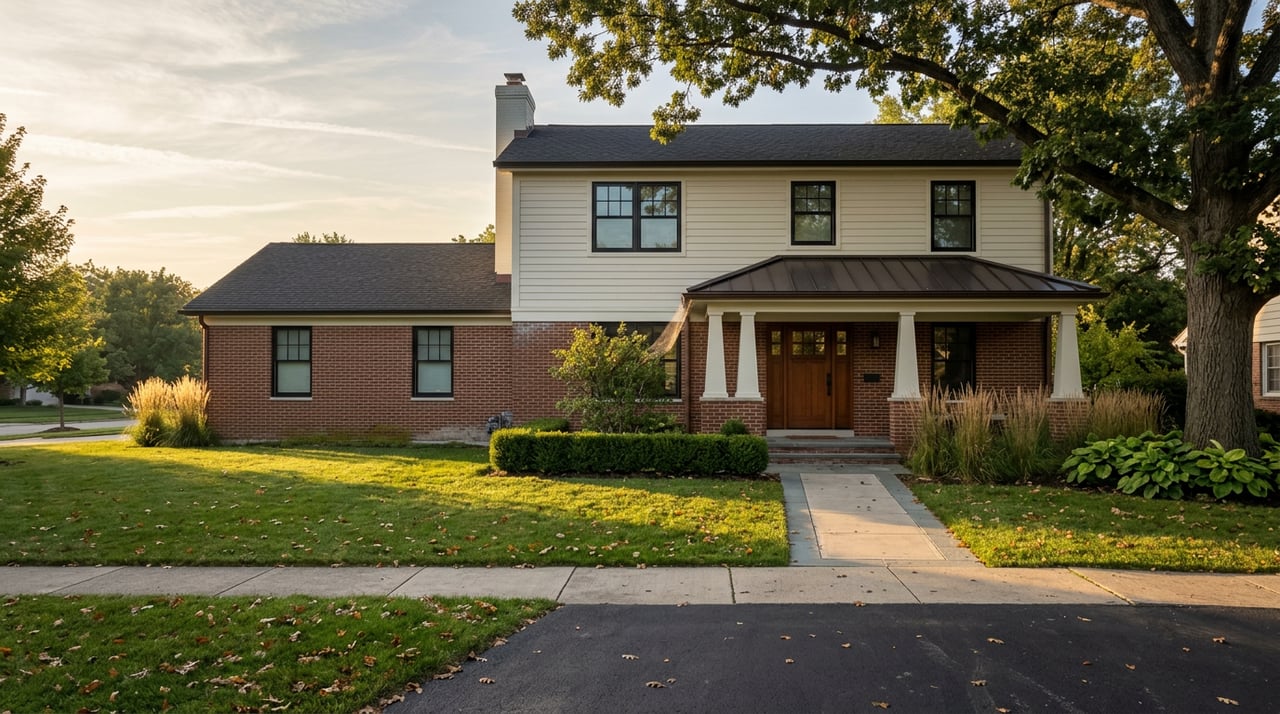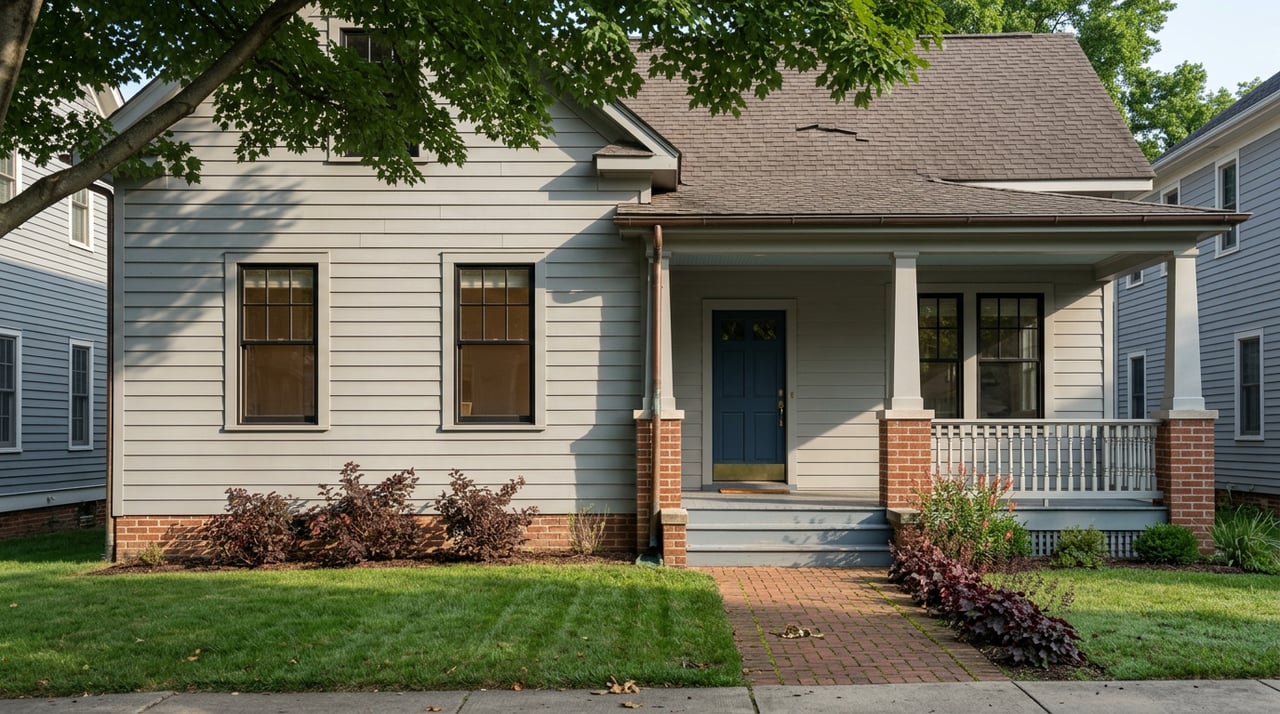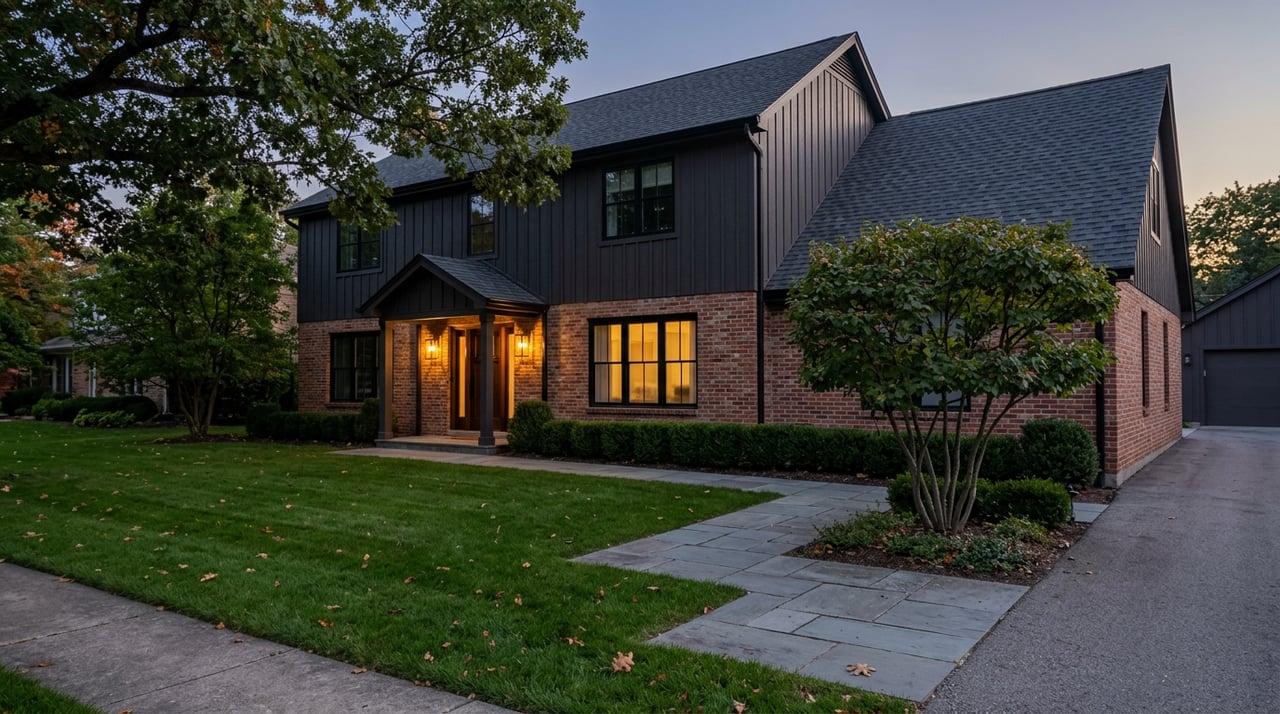
On the afternoon of September 11, the 700 block of Bonnie Brae Place closes to cars. Tents go up on front lawns. A donation table appears near the corner. Kids on bikes circle the block while volunteers hand out lemonade and cotton candy, and by early evening the whole street looks less like a residential block in River Forest and more like a fairground that happens to have driveways.
This year marks the 25th time the block will do it. It is also, according to the people who run it, the last time it happens on Bonnie Brae in its current form.
That is the part most people driving past the street sign that reads "LemonAid Place" do not know yet. The sign has been there since 2011. The event that earned it is packing up.
A Street Named After a Lemonade Stand
LemonAid started in 2002, when a group of neighbors on the 700 block of Bonnie Brae decided to mark the anniversary of the September 11 attacks by doing something for kids instead of something somber. They set up a lemonade stand. The proceeds, $400 in total, went to Hephzibah Children's Association.
Nine years later, the Village of River Forest made it official. In 2011, the Village Board approved a resolution giving the 700 block of Bonnie Brae the honorary designation "LemonAid Place," a rare move for a town to rename a residential street after a single afternoon of fundraising, according to CBS Chicago's coverage of the event's 16th anniversary.
The naming made sense at the time. What organizers could not have predicted was how much bigger the thing they named a street after would eventually get.
The Curve That Outgrew the Block
A lemonade stand that raises $400 does not need infrastructure. A block party that raises six figures does.
By its 16th year in 2017, LemonAid's cumulative total had crossed $220,000, according to organizer comments to CBS Chicago at the time. Three years later, in the middle of the pandemic, a matching gift from local philanthropists Ken and Patty Hunt helped push the 2020 total to nearly $77,000 in a single year. By 2021, the event's 19th, the lifetime total topped $400,000, and that year alone brought in more than $100,000, according to the Wednesday Journal's coverage of the 2021 event.
| Year | Milestone | Amount |
|---|---|---|
| 2002 | First LemonAid stand | $400 for Hephzibah Children's Association |
| 2011 | Village designates "LemonAid Place" | — |
| 2017 | 16th annual event | $220,000+ raised lifetime |
| 2020 | Pandemic year, Hunt family match | Nearly $77,000 raised that year |
| 2021 | 19th annual event | $400,000+ raised lifetime, $100,000+ that year |
| 2026 | 25th annual event | 26 nonprofits and charities benefiting |
The mechanics never changed. It is still an all-volunteer, single-block operation with rented tents, a lemonade stand, and a donation table, not a registered 501(c)3, according to organizer Chris Hauri, one of the event's founders. What changed is scale. Twenty-six nonprofits and charities are set to benefit from this year's event, up from one in 2002. A single residential block, however wide its lawns, only has so much room for tents, cars, and the volunteers needed to run a fundraiser that size every September.
Who's Actually Running It Now
This year's co-chairs are not the neighbors who founded the thing in 2002. They are a mix of high schoolers and one adult who has a personal reason to care about the date.
Carl Olson, now working in human resources in downtown Chicago, was born in August 2001, a few weeks before the attacks the event commemorates. He co-chairs this year's LemonAid alongside Oak Park and River Forest High School seniors Connor Chien, Helen Donoho, and Mark Jung, Fenwick sophomore Miranda Donoho, Fenwick junior Ethan Wynne, and two younger co-chairs, fifth grader Shalva Glick and fourth grader Sophie Sears.
The handoff started early this summer. On July 23, block residents and representatives from the nonprofits that have benefited over the years gathered for a happy hour at 727 Bonnie Brae, according to the Wednesday Journal's report on the event's 25th year. River Forest Township, which has supported the event for years, is now taking on a stewardship role so LemonAid can continue somewhere in the community even after it leaves the block that made it famous.
This year's event runs from 3 to 7 p.m. on September 11, with a donation station, a tent for lemonade and baked goods, and stations where the 26 participating nonprofits can talk to visitors about their work. Entry is free, as it always has been, with online donations open since August 15.
A Few Blocks South, Priory Park Solved the Same Problem
Bonnie Brae is not the only piece of River Forest's public life that outgrew its original footprint this year.
Priory Park, which shares a campus with Fenwick High School off Division Street, spent the past several years running its summer camps and recreation programs out of a building too small for what the park district wanted to do with it. In May 2025, the River Forest Development Review Board approved the park district's plan for a roughly 1,700-square-foot splash pad and a 700-square-foot addition to the Priory Center, expanding the building's usable footprint for program space, according to the board's meeting packet.
The project cost an estimated $800,000, funded through the park district's own capital improvement budget, and construction closed off part of the park from November 2025 through late May 2026. Park district director Mike Sletten told village officials the grand opening was targeted for Memorial Day 2026, timed so families could use the new splash pad, designed for children up to age eight but open to all ages, for the full summer season, according to Wednesday Journal's reporting on the April 2025 village meeting.
Where LemonAid solved its space problem by moving, Priory Park solved it by building. Both are responses to the same underlying fact: the parts of River Forest that residents treat as fixed, a street, a park building, tend to be more provisional than the street signs and playground equipment suggest.
What Isn't Moving This Month
Not everything in River Forest is mid-transition. The Forest Preserves of Cook County's programming at Thatcher Woods and the Trailside Museum of Natural History runs on the same free, drop-in rhythm it has for years, and September's calendar is no exception.
September 5 brings a Sacred Wanderings guided walk at the Thatcher Woods Pavilion, led by Unity Temple of Oak Park and built to accommodate people with physical challenges, free of charge. The same day, the Trailside Museum runs a drop-in reptile and amphibian program, letting visitors meet the museum's animals and learn about their wild counterparts. The next morning, September 6, University of Illinois Extension volunteers lead a Forest Therapy walk, a guided meditation through the woods that requires advance registration but no fee.
The River Forest Public Library has also partnered with the Forest Preserves of Cook County on an ongoing basis to offer kayaking on Thatcher Glen Pond, open to children five and older paired with an adult. None of this needed a street sign or a Development Review Board hearing. It is the steady backdrop against which the block party and the park building are having their more dramatic years.
What It Means to Watch Your Own Landmarks Change
If you live in River Forest, none of this changes your commute or your property taxes. What it changes is what you tell a new neighbor about the town.
For 25 years, the answer to "why is that block called LemonAid Place" has been simple: because of what happens there every September 11. Starting in 2027, the honest answer will be more complicated, something closer to "that's where it started, but it moved." The same is true a few blocks away at Priory Park, where a splash pad now sits where an undersized rec building used to be. Neighborhoods do not usually announce these shifts. They just happen, one Development Review Board vote and one township stewardship handoff at a time, and residents find out when they notice the street looks different than it did last fall.
That is the kind of local detail that does not show up on a listing sheet, but it is exactly the sort of thing worth knowing if you are trying to understand what makes a block, a park, or a town feel the way it does. Angela Walker Homes covers River Forest and the surrounding western suburbs all year, not just when someone is buying or selling. If you are curious about what else is changing in this corner of Cook County, or you are weighing a move in or out of River Forest down the road, reach out for a free home valuation and a conversation grounded in what is actually happening on the ground here, not just what the listing data shows.