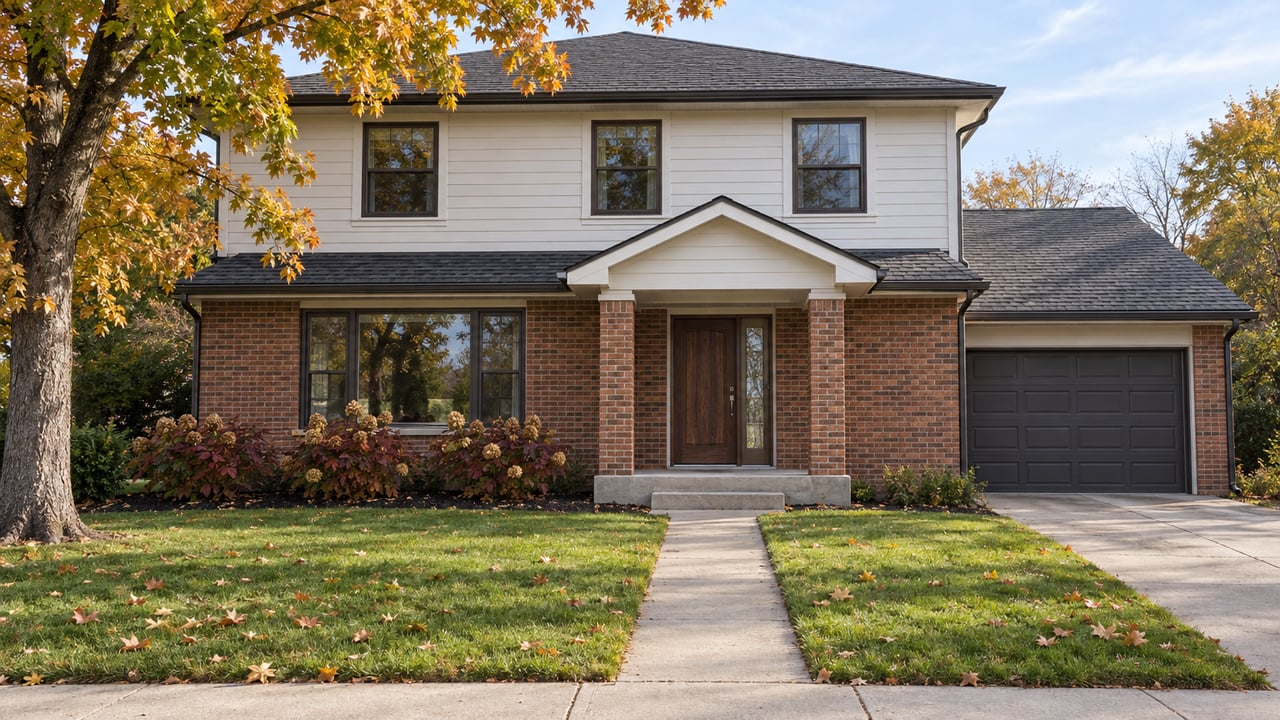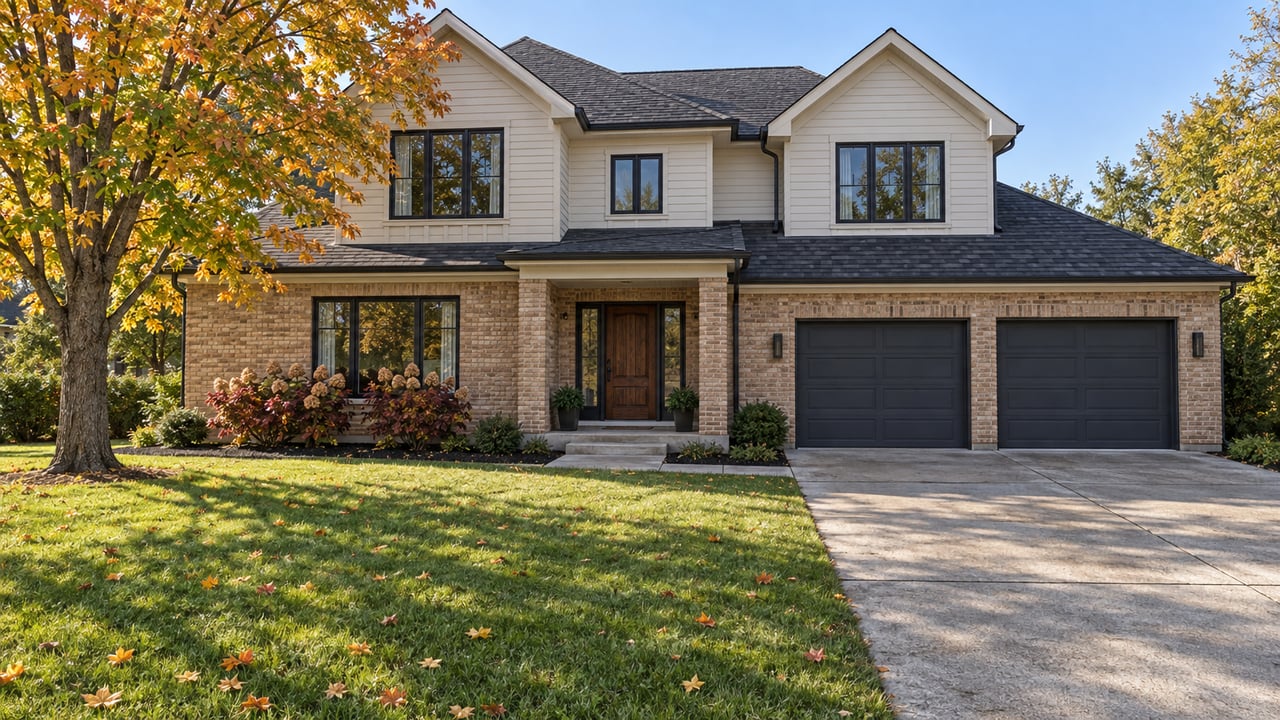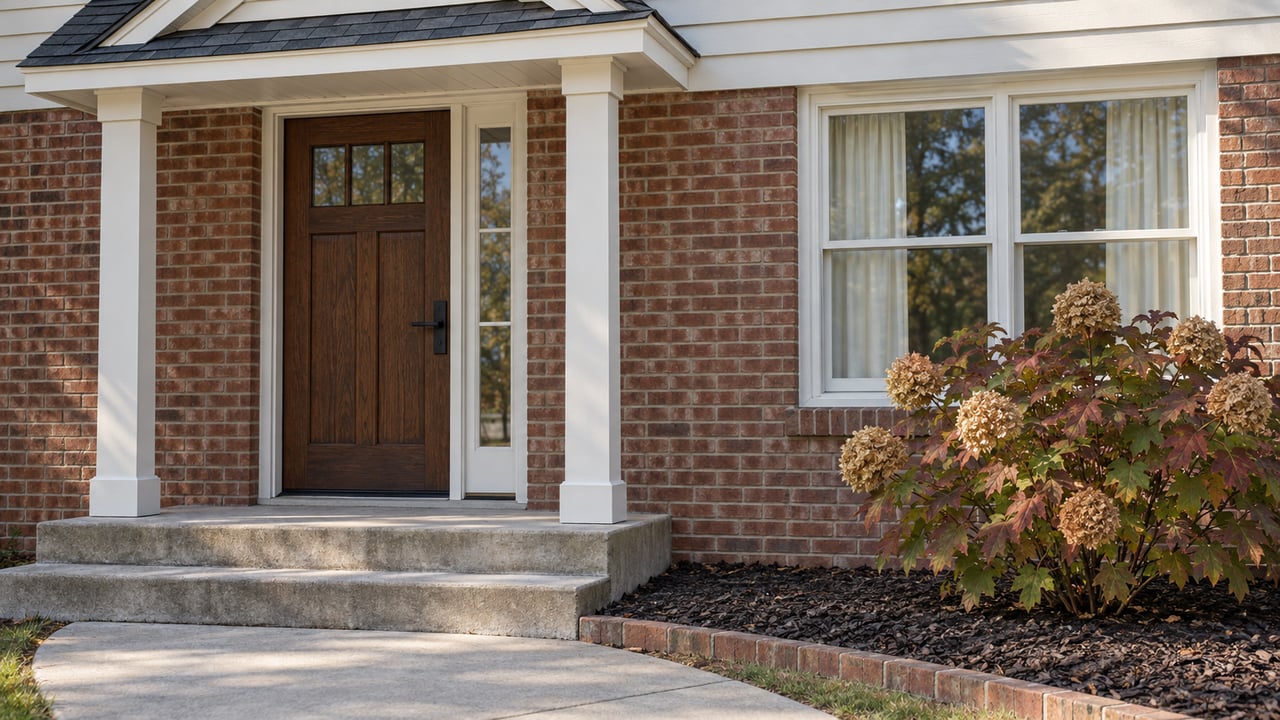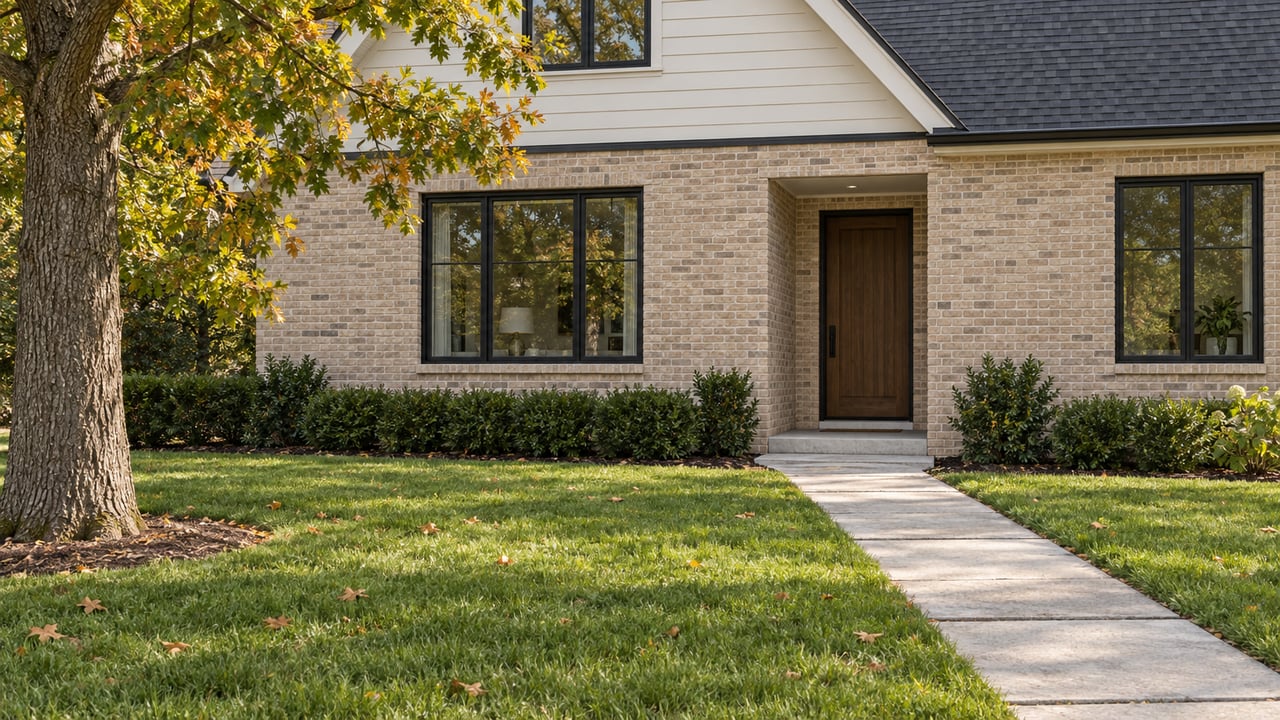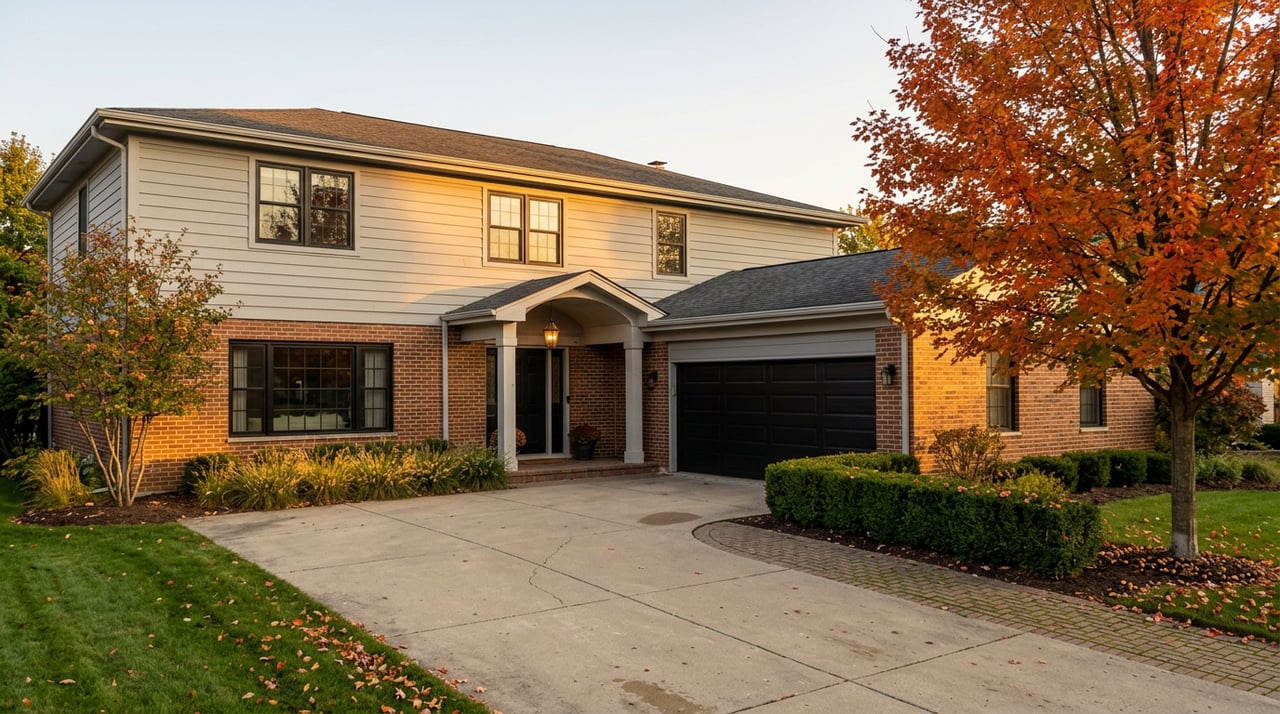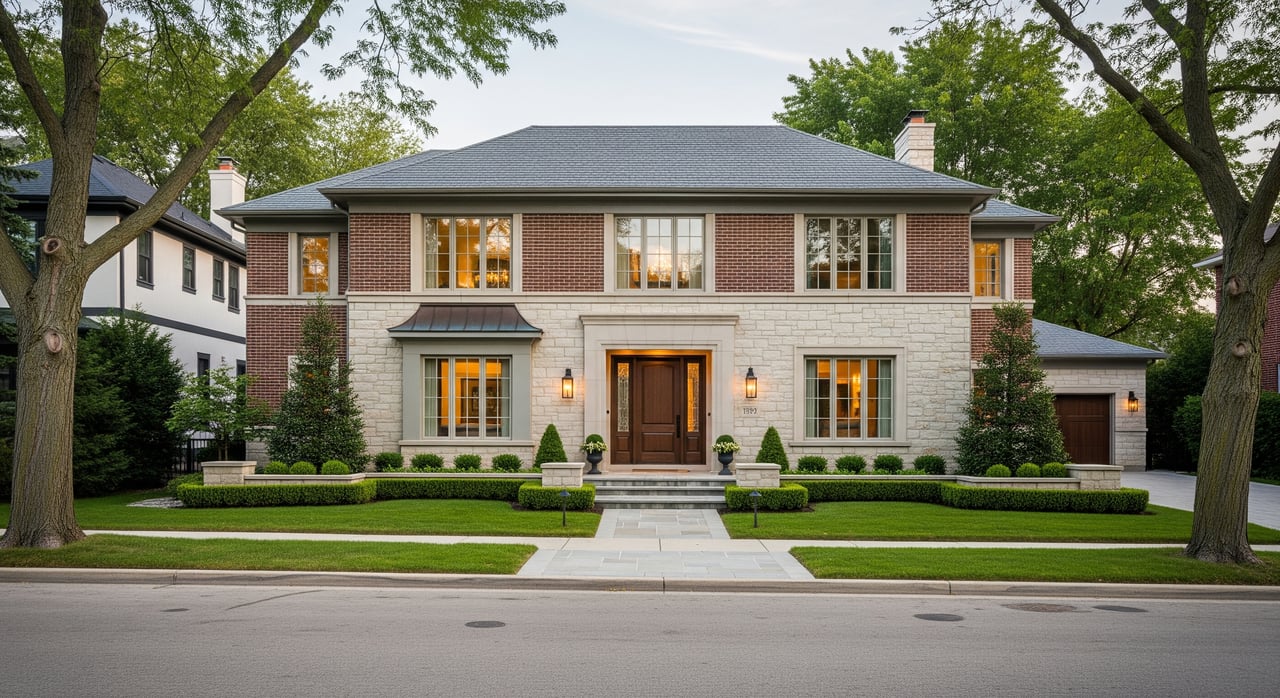
Worried an appraisal could make or break your Elmhurst sale or purchase? You are not alone. Appraisals influence your loan, your pricing power, and your closing timeline. In this guide, you will learn what appraisals are, how they work in Elmhurst, what affects value, and what to do if the number comes in low. Let’s dive in.
Appraisal basics
An appraisal is an independent professional opinion of a property’s market value as of a certain date. A state-licensed or certified appraiser completes it under industry standards. Lenders use appraisals to manage risk when they approve mortgages.
Appraisals are not inspections and do not guarantee the sale price. The appraised value is the appraiser’s opinion of market value. The assessed value comes from the county for tax purposes, which serves a different purpose and is calculated differently.
When appraisals are used
Most purchase loans require an appraisal, including many conventional and government-backed loans. Refinances and home equity loans also commonly require one, though some programs allow appraisal waivers or desktop/hybrid options in certain cases.
Sellers sometimes order a pre-listing appraisal to help set a realistic price. This is useful when comparable sales are scarce or the home has substantial renovations.
The Elmhurst appraisal process
Here is how a typical lender-ordered appraisal works:
- The lender orders the appraisal, often through an appraisal management company.
- The appraiser schedules an interior and exterior inspection to measure, photograph, and note condition and neighborhood characteristics.
- The appraiser researches recent comparable sales, plus active and pending listings for context.
- The appraiser adjusts for differences such as square footage, age, condition, lot size, location, and amenities.
- The appraiser delivers a written report to the lender, often using the Uniform Residential Appraisal Report for single-family homes.
Turnaround is usually several days to 1 to 2 weeks after the inspection. Timelines can stretch during busy markets or for complex homes. Fees vary by property and report type, and in suburban markets like Elmhurst they typically fall in a mid-range compared with large metro or rural extremes.
Local factors that influence value
Elmhurst is a mature suburb with historic homes, mid-century properties, and newer infill. Appraisers prefer nearby sales from the same neighborhood when possible. In a fast-moving market, closed-sales data can lag list prices, which may increase appraisal-gap risk.
What often matters most locally:
- Proximity to Metra and downtown. Homes near the Elmhurst Metra station and downtown amenities often see positive location adjustments.
- School district boundaries. Assigned schools and district lines are frequent considerations for buyers and appraisers. Boundaries that place a home within certain districts can influence comparable selection and adjustments.
- Historic and unique homes. Older homes with character or non-standard layouts need carefully chosen comps. Unique finishes or floor plans may require broader searches and careful adjustments.
- Floodplain and Salt Creek proximity. Being in or near flood-prone areas can affect insurability and may require special flood insurance. This often leads to downward adjustments.
- Condition and maintenance. Roof age, mechanical systems, water intrusion history, and structural items are critical. Deferred maintenance can materially reduce value.
- Permits and legal living area. Finished basements, additions, or conversions without permits create complications. Appraisers may adjust value or lenders may require permits or proof of code compliance.
- Assessed vs appraised value. DuPage County’s assessed value drives taxes. It does not necessarily match an appraiser’s opinion of market value.
- Comparable scarcity. For highly customized homes, suitable comps within Elmhurst may be limited. Appraisers may include nearby communities with location adjustments.
If the appraisal supports the price
When the appraisal comes in at or above the contract price, closings usually proceed. Lenders base the loan amount on the lower of the appraised value or the purchase price, so a supportive appraisal reduces friction and renegotiation risk.
If the appraisal comes in low
Low appraisals can happen in bidding-war situations, when comps are limited, or when condition or permit issues surface. You have options:
- Bring additional cash to cover the gap between the appraised value and contract price.
- Renegotiate the contract price with the other party.
- Request a lender review or reconsideration of value with additional credible comps and documentation.
- Ask the lender whether a second appraisal is permitted.
- For sellers, consider a pre-listing appraisal to reduce later risk.
- Provide a property packet with upgrades, permits, surveys, and neighborhood-specific comps to help the appraiser or support a reconsideration.
Elmhurst tip: Emphasize neighborhood comps, school-district boundaries, Metra access, and proof of permits for improvements. If the issue is unpermitted work, bringing permits current or supplying contractor certifications can help address lender concerns.
Seller checklist
Use this quick list to prepare for the appraisal:
- Gather permits for renovations, contractor invoices, maintenance records, and a recent survey if available.
- Create a list of upgrades with dates and costs.
- Complete minor repairs, such as leaky faucets, loose handrails, or cracked panes.
- Ensure all areas are clean and accessible for the inspection.
- Consider a pre-listing appraisal if your home is unique or the market is moving quickly.
Buyer checklist
Limit surprises and protect your financing:
- Ask your lender about appraisal requirements and timelines up front.
- Make sure your contract includes an appraisal contingency that fits your goals.
- If you challenge a low value, be ready with credible nearby comps and clear documentation.
Pricing strategy with appraisals in mind
In a neighborhood with mixed ages and styles, nailing the right price starts with the best local data. For sellers, an appraisal-quality comparative market analysis or a pre-listing appraisal helps set expectations, streamline negotiations, and provide an evidence trail for the buyer’s appraiser. For buyers, understanding how value is supported by closed sales can inform your offer strategy and contingency planning.
When you align price with proven comps and document improvements and permits, you reduce the odds of a late-stage appraisal problem. That makes for a smoother Elmhurst closing.
Ready to price with confidence or navigate a low appraisal? Connect with Angela Walker for local guidance, an evidence-based valuation, and a clear plan.
FAQs
What is a home appraisal in Elmhurst?
- An appraisal is an independent opinion of a home’s market value used by lenders to approve mortgages. It is not a home inspection and does not set the sale price.
Who pays for the appraisal in a home purchase?
- The buyer’s lender usually orders the appraisal, and the fee is commonly paid by the buyer as part of closing costs. Sellers may pay for a pre-listing appraisal.
How long do appraisals take in Elmhurst?
- After the inspection, most reports are completed in several days to 1 to 2 weeks, depending on property complexity and market volume.
What local factors can raise or lower value?
- Proximity to Metra and downtown, school-district boundaries, floodplain risk near Salt Creek, overall condition, and whether improvements were permitted can all affect value.
What if my Elmhurst appraisal is lower than the contract price?
- You can renegotiate the price, bring additional cash, request a lender review with new comps, or ask if a second appraisal is allowed under lender policy.
Do appraisers use listing prices to determine value?
- Appraisers rely on recent closed sales for value conclusions. Active and pending listings may be used to show trends but are less authoritative.
Do permits matter for finished basements or additions?
- Yes. Permitted work is treated more favorably. Unpermitted living area can lead to value reductions or lender requirements for permits or inspections.