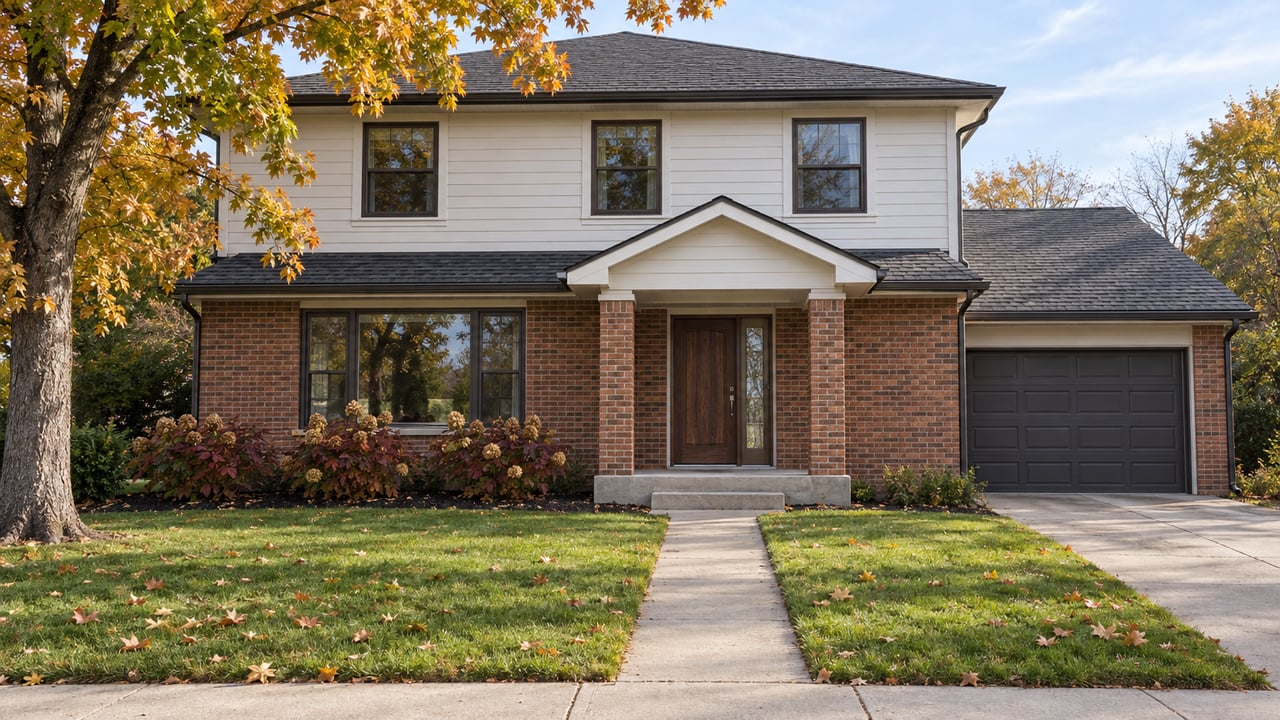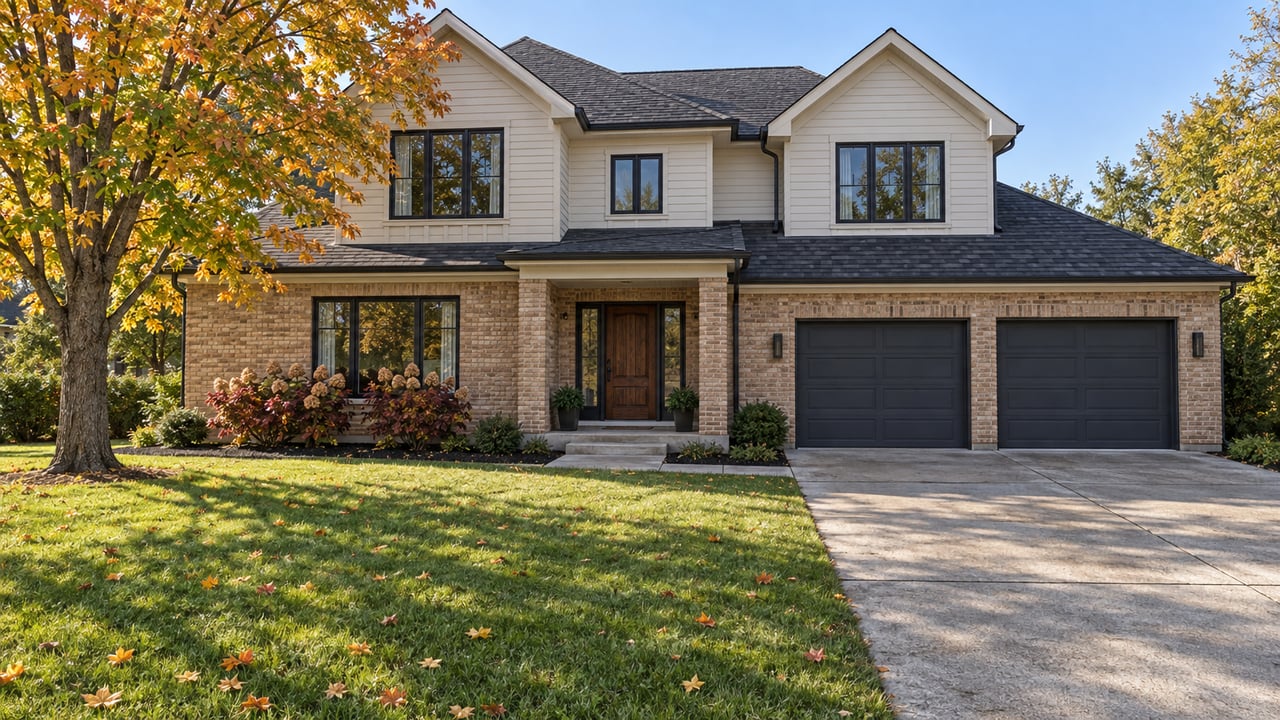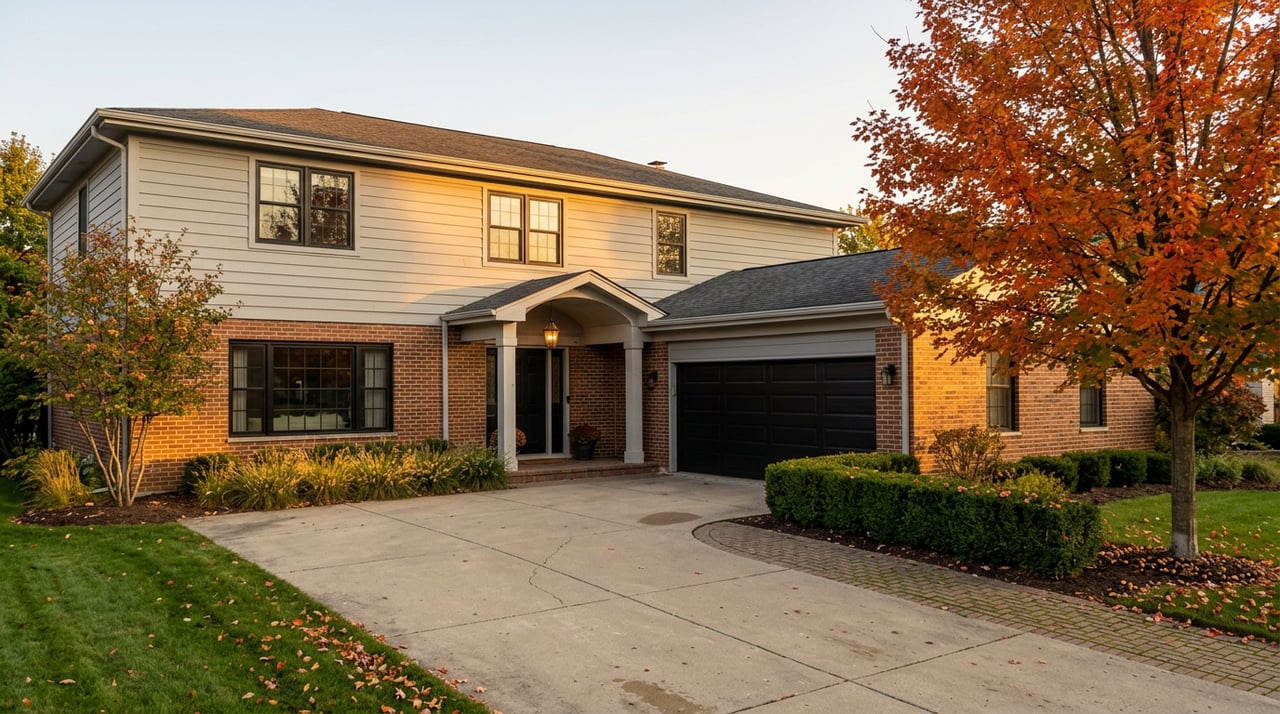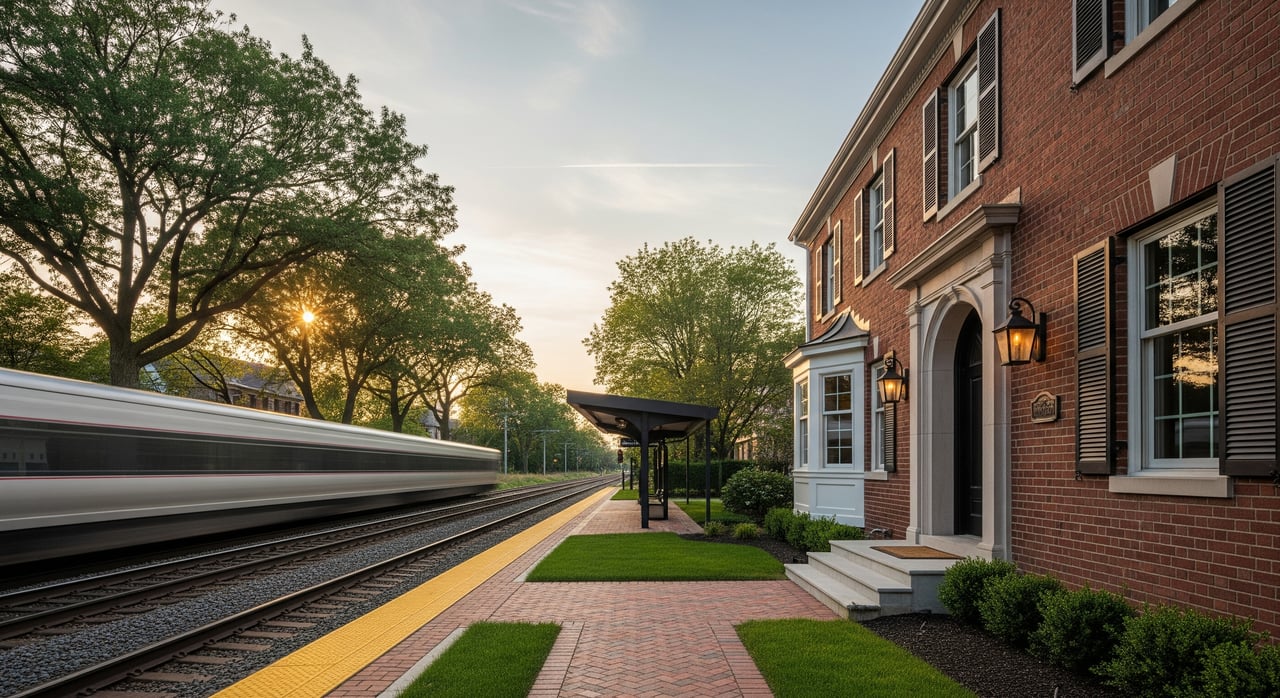
Thinking about selling your Downers Grove home near the Main Street, Belmont, or Fairview Avenue Metra stations? Getting the price right starts with how buyers think about transit, walkability, and parking. If you plan well, you can position your home to capture the strongest demand without leaving money on the table. In this guide, you’ll learn a clear method to analyze comps, factor in walkability and parking, and build a pricing strategy that fits your exact location. Let’s dive in.
Why Metra proximity changes price
Living near a Metra station can be a major value driver because it opens your home to buyer groups that prize an easy commute and a walkable lifestyle. Daily Chicago commuters, downsizers, and many young professionals will pay attention to how quickly and safely they can reach the train and downtown amenities. At the same time, some buyers care more about parking and privacy than being a few blocks closer. Your goal is to price to the right buyer pool for your location and home features.
The size of any transit premium varies by station area and block. To measure it correctly, compare recent local sales rather than relying on national rules. You will get a clearer picture by coding each comp for distance to the station, walkability, and parking.
Main Street vs. Belmont vs. Fairview
Main Street station: downtown walkability
Main Street is the heart of downtown, so properties here can benefit from the strongest walkability premium. Buyers expect short, safe walks to the station plus quick access to restaurants, shops, and civic events. When you price here, highlight exact walk times, the directness of the route, and nearby amenities.
Belmont station: quieter residential feel
Belmont often appeals to buyers who want a shorter walk to the train without the busier downtown setting. Parking rules and availability can be decisive for these buyers. If your property offers a private garage or easy access to commuter lots, make that central to your pricing and marketing.
Fairview Avenue station: a balanced option
Fairview can be an in-between choice with a mix of residential streets and nearby amenities. Map out the precise walking route, sidewalks, and crosswalks, and take note of pocket parks or nearby conveniences. Show how the location supports an easy daily routine.
Build a station-focused CMA
A strong CMA near Metra stations uses a comp set tailored to how your likely buyer will reach the train.
Step 1: Define comp radii by buyer behavior
- Walk-focused buyer: comps within 0 to 0.25 miles, and up to 0.5 mile if needed.
- Drive or park buyer: widen to 0.5 to 1.0 mile.
- Townhomes/condos: use tighter radii; single-family can stretch if the sample is thin.
Step 2: Set a realistic timeframe
- Active markets: 3 to 6 months of solds.
- Normal or slower markets: expand to 6 to 12 months.
- If solds are scarce: include pendings and key active listings, then adjust for timing.
Step 3: Filter and match features
- Match property type, beds and baths, finished square footage, lot size, age and condition.
- Match major features such as garage, driveway, finished basement, and outdoor space.
- Create a station variable for each comp, such as distance to station or estimated walking time.
- Create a parking variable, such as private garage, off-street, street-only, or commuter lot dependence.
- Add a simple walkability metric using Walk Score or a count of nearby destinations.
Step 4: Apply clear adjustments
- Physical: size, beds and baths, condition, garage type, lot orientation.
- Location and amenities: distance and route quality to the station, proximity to downtown retail, presence of commuter parking, and noise or visibility from the tracks.
- Timing: adjust if comps closed in different market conditions.
Step 5: Aim for a reliable sample
- Target 8 to 15 relevant comps across distance bands.
- If you have fewer, lean on pending and active data and disclose the uncertainty.
- Run sensitivity tests on your radius and walkability assumptions.
How walkability shifts value
Walkability is not just distance. It also includes sidewalk quality, lighting, safe crossings, and whether the route avoids barriers like busy arterials. Properties that sit within a simple 5 to 10 minute walk to Main Street station and downtown retail can often justify a premium to similar homes that require a drive.
When you evaluate your home, note the actual door-to-platform walk time, the smoothness of the route, and the number of daily destinations nearby. If two homes are similar, the one with a more direct and safer walk can merit a higher list price.
How parking impacts demand
Parking can be a deal-maker near stations. A deeded garage or private driveway reduces daily friction and often ranks higher than being one or two blocks closer for many buyers who drive. Limited commuter lot capacity or residential permit rules can push buyers toward homes with guaranteed parking.
If your home includes a private garage, highlight that value in both pricing and marketing. If it depends on commuter lots or on-street parking, document the closest options, typical permit policies, and how guests can park.
Price with two scenarios
Creating two pricing packages helps you capture the right buyers while staying flexible.
- Scenario A: Walkable premium. Use tight, walk-focused comps and apply positive adjustments for a short, direct route to the station and downtown amenities. This is ideal if you are within an easy 5 to 10 minute walk and offer strong pedestrian access.
- Scenario B: Broader market. Use a wider radius with less emphasis on walkability, and price for buyers who will drive and park. This fits homes a bit farther out or with more reliance on commuter lots.
Test both scenarios against recent pendings to see where the market is leaning.
Show the lifestyle in your marketing
Buyers near stations shop with their daily routine in mind. Your listing should make that routine feel simple.
- State exact walk times to the station and note clear pedestrian routes.
- Include photos of the station entrance and nearby cafés or shops.
- Call out storage and parking, such as a private garage or dedicated space.
- If close to the tracks, note any noise mitigation like double-pane windows or landscaping buffers.
Common pitfalls to avoid
- Relying on national studies instead of local comps. Station-area markets are hyperlocal, so prioritize nearby solds and pendings.
- Ignoring parking details. Garage type, permit zones, and commuter lot access can change demand.
- Overlooking walk-route quality. A short distance with poor sidewalks or tricky crossings may not deliver the same premium.
- Using too small a sample without disclosing uncertainty. Expand your timeframe or radius as needed, then explain the trade-offs.
What to gather before you price
- Recent sold, pending, and active comps from the local MLS.
- Exact distance and walk time to the nearest station, plus route notes.
- Walk Score or a simple count of nearby destinations.
- Parking details, including garage status and local permit rules.
- Any updates on Metra service frequency and municipal parking policies.
Your next move
Pricing near the Main Street, Belmont, and Fairview Avenue stations is all about matching your home’s strengths to the right buyer pool, then proving the value with clean, local comps. When you take a station-focused approach and document walkability and parking, you can price confidently and market with purpose.
If you want a precise station-area CMA and a clear go-to-market plan, we are here to help. Get a Free Home Valuation from Angela Walker Homes and see how your home stacks up today.
FAQs
How does Metra proximity affect Downers Grove pricing?
- It can increase demand from commute-focused and walkability-minded buyers, but the premium varies by block and station. Measure it with local comps coded for distance, route quality, and parking.
Which station area tends to command the highest premium?
- Main Street often carries the strongest downtown walkability appeal, but confirm with recent nearby solds since block-level factors and amenities can shift results.
How close is “close enough” to market walkability?
- Start with a 0 to 0.25 mile radius for walk-focused buyers and extend to 0.5 mile if needed. Document a safe, direct 5 to 10 minute walk for a stronger case.
Does a private garage matter more than being a block closer?
- Often yes for buyers who drive. Compare solds with deeded parking to those without within the same distance band to see the local effect.
What if there are few recent sales near my station?
- Widen your timeframe to 6 to 12 months, include pendings and key actives, and disclose uncertainty. Run both a walkable-premium and a broader-market price scenario.
How should I address train noise in pricing?
- Compare sales on the same street at different distances from the tracks and note any noise mitigation features. Use those differences to guide a fair adjustment.